The fishing tips beginners need most are not secret lure tricks or complicated techniques. They are the basics that make the first few trips easier: use simple tackle, fish somewhere that actually holds catchable fish, learn one reliable setup, pay attention to what the water is telling you, and change one thing at a time when nothing happens.
It is easy to make fishing unnecessarily difficult. A tackle shop can make it appear as though every species requires a different rod, twenty lures and a box full of specialized equipment.
It does not.
For a first fishing trip, simplicity is an advantage. The less equipment and technique you have to think about, the more attention you can give to casting accurately, detecting bites and understanding where fish are likely to be.
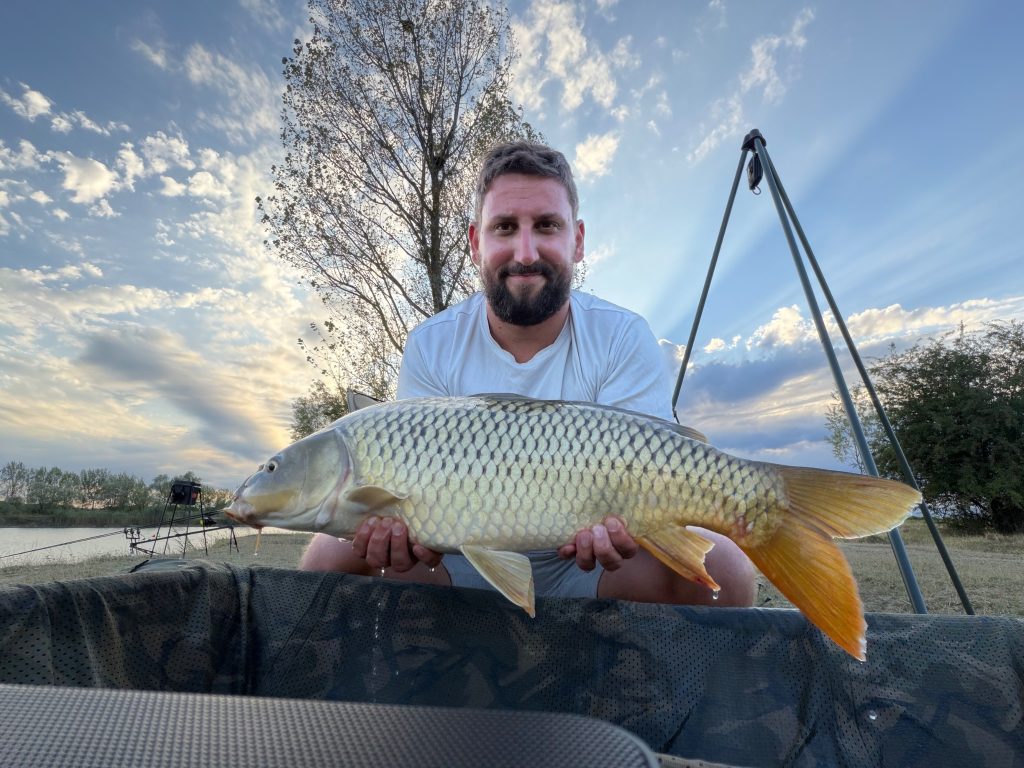
Fishing Tips Beginners Should Learn First
Fishing becomes much easier when you reduce the number of decisions you need to make.
Instead of wondering which of fifty lures to use, begin with one bait or presentation you understand. Instead of trying to catch every species in the lake, target something common and realistically catchable. Instead of constantly changing tackle, learn what one setup looks and feels like when it is working properly.
A useful first-trip approach looks like this:
| Decision | Good Beginner Starting Point | What to Avoid at First |
|---|---|---|
| Water | Accessible pond, lake bank or manageable river section | Difficult access, strong current or unfamiliar hazards |
| Rod and reel | Simple spinning or spincast setup suited to local fish | Highly specialized tackle |
| Presentation | One simple float, bottom or easy lure setup | Constantly changing rigs |
| Bait | Something proven locally and legal to use | Buying many different baits without a plan |
| Casting | Accurate casts around useful features | Trying to cast maximum distance |
| No bites | Change depth, location or presentation gradually | Changing everything at once |
You can add complexity later. Your first goal is to understand what happens between making a cast and catching a fish.
Pick an Easy Place and a Realistic Target
A productive beginner fishing trip starts before the first cast.
Choose water where fish can be reached easily from a safe bank, pier or other legal access point. A small pond, local lake or manageable stretch of river can be much easier to understand than a huge reservoir or powerful river system.
Then find out what fish actually live there.
That sounds obvious, but beginners often buy tackle first and decide what they are fishing for afterward.
A better order is:
Find the water. Identify common species. Then choose the tackle and bait.
Small and medium-sized fish are often better first targets than the largest predator in the lake. The goal is to get bites, learn how they look and feel, practice landing fish and become comfortable with the equipment.
Before fishing, check local rules for licences, permitted areas, seasons, size limits, catch limits and bait restrictions. Requirements differ between countries, states, regions and individual waters.
Do not assume that because other people are fishing somewhere, everything they are doing is legal.
If bass are your main target, the FishingChief fishing tips for bass guide goes deeper into cover, structure, lure choice and changing depth.
Beginners targeting catfish can also move directly into the fishing tips for catfish guide for species-specific bait, location and rig advice.
Keep Your First Rod and Reel Simple
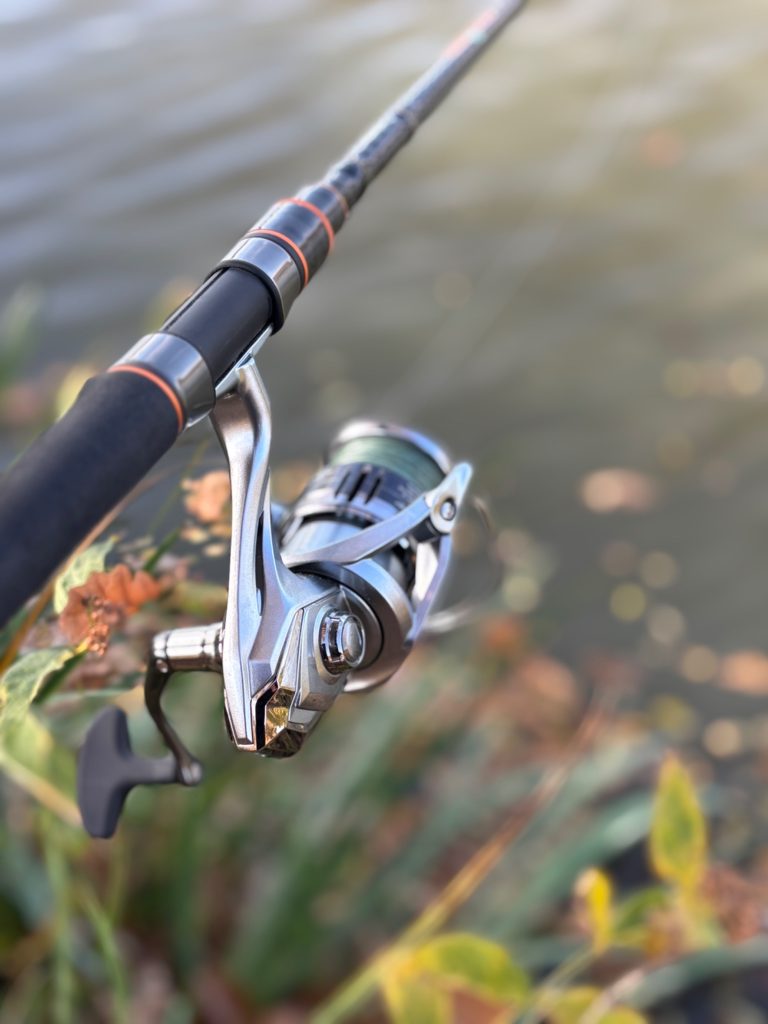
There is no universal rod and reel that is ideal for every species.
There are, however, many ordinary spinning and spincast combinations that will catch a wide range of freshwater fish without creating unnecessary problems for a beginner.
The important part is matching the tackle reasonably well to the fish.
A light setup designed for small fish is unsuitable for large carp or powerful catfish. A heavy catfish rod makes catching small perch unnecessarily awkward.
Ask a local tackle shop what is commonly caught in the water you plan to fish and choose a straightforward setup for that job.
A spinning reel is a useful general option because it handles many common line strengths, baits and lures while remaining relatively easy to cast once the basic motion is understood.
A baitcaster can be excellent tackle, but learning backlash control at the same time as learning everything else about fishing adds another problem you do not necessarily need on day one.
Start simple. Specialized tackle will make much more sense once you understand why you need it.
Learn One Simple Rig Before Learning Ten
Beginners do not need to memorize an entire rig book.
Two basic ideas cover a surprising amount of fishing.
A Simple Float Setup
A float or bobber suspends bait at a chosen depth while also giving you a very visible indication that something is happening.
That makes it useful for learning.
A simple setup normally consists of line, a float, a small amount of weight where necessary, a hook and bait. Exact hook size, depth and weight should match the target fish and conditions.
Do not automatically use the biggest hook that looks strong enough. Large hooks and oversized pieces of bait can reduce your chances when smaller fish are actually doing the biting.
A Simple Bottom Setup
Where fish are feeding near the bottom, a basic weighted presentation can be more effective than suspending bait beneath a float.
The principle is still simple: enough weight to keep the bait where you want it, a suitable hook and bait, and enough line control to recognize a bite.
Complicated rigs solve specific problems.
Until you actually have one of those problems, simplicity usually wins.
Use Bait That Makes Fishing Easier
The best beginner bait is not necessarily the bait capable of catching the largest fish.
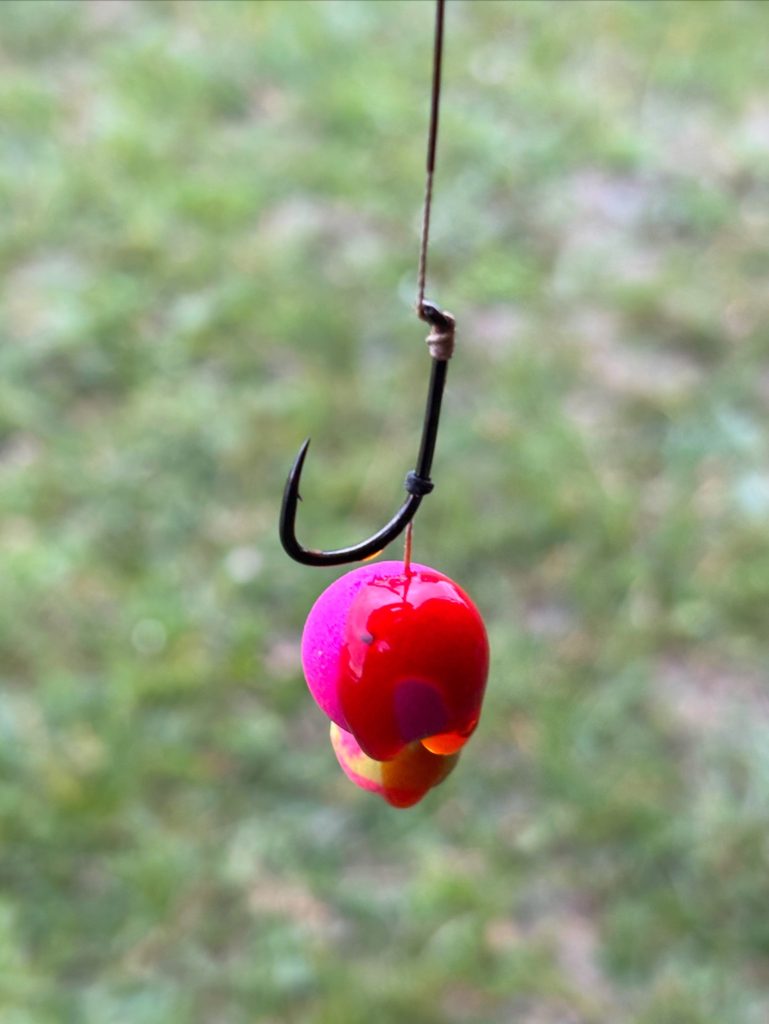
It is something that is legal, easy to obtain, stays reasonably well on the hook and is known to catch the species available in your water.
Natural baits such as worms can be extremely straightforward where their use is permitted. Other waters may favor maggots, insects, cut bait, corn, pellets, small baitfish or completely different options depending on species and local regulations.
Artificial lures are also useful, but they normally require the angler to create the presentation through retrieve speed, depth and movement.
For a complete beginner, bait fishing can remove one variable: the bait already smells, tastes or behaves like food.
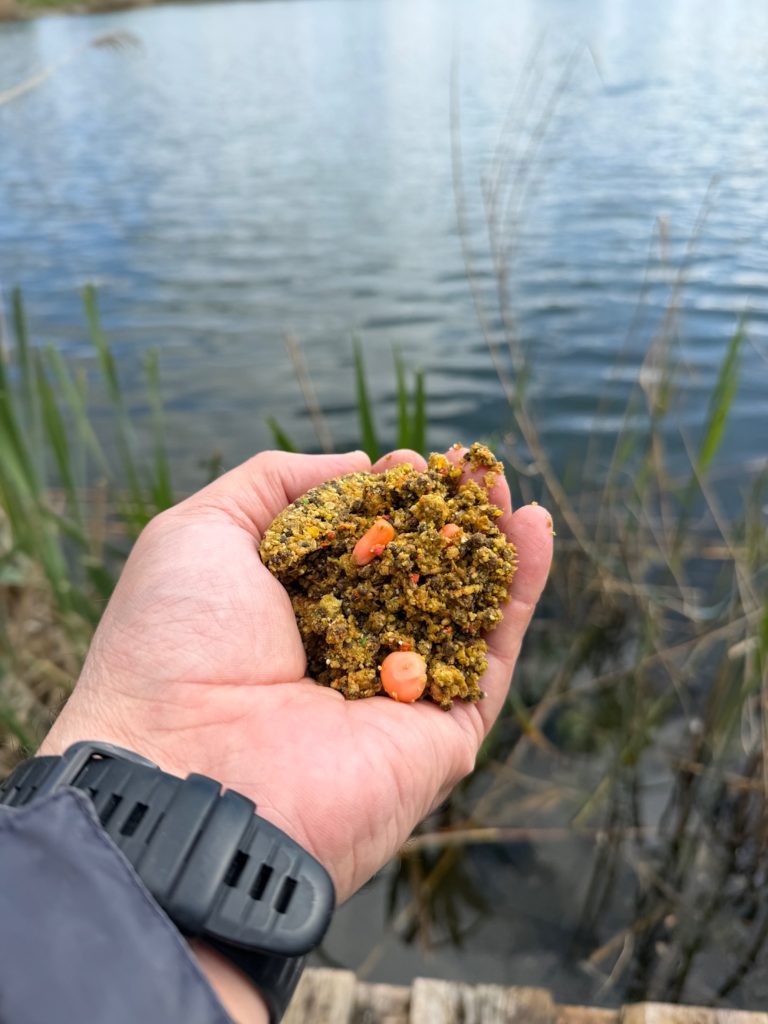
Whichever option you choose, make sure the hook can actually do its job.
Do not bury the hook point inside a huge lump of bait unless the particular presentation requires it. If fish repeatedly steal bait without getting hooked, shorten the bait, inspect the hook and consider whether the fish biting are smaller than expected.
Cast to Something, Not Just Farther
Casting distance is one of the easiest things for beginners to overvalue.
Fish do not automatically sit at the maximum distance your rod can reach.
Look for differences in the water instead.
Vegetation edges, docks where fishing is permitted, fallen trees, rocks, shade, changes in depth, current breaks and transitions between different types of bottom can all give fish a reason to occupy a particular area.
That does not mean every visible feature contains fish.
It means casting toward a useful target usually gives the cast more purpose than repeatedly throwing bait into featureless water.
Start with comfortable, controlled casts.
Accuracy comes first. Distance can come later.
And do not ignore water close to your feet. Fish frequently use near-shore cover, especially where vegetation, shade or depth gives them somewhere secure.
Watch the Bite Before You React
Catching fish becomes much easier once you stop treating every movement as the same kind of bite.
With a float, small dips or twitches may mean a fish is testing or pecking at the bait. A stronger movement, sideways travel or a float disappearing completely may indicate a more committed take.
When fishing without a float, watch the line and rod tip.
Repeated tiny taps are different from a steady pull.
Do not automatically strike as hard as possible at every movement.
Hook type also matters. Conventional hooks and circle hooks, for example, are not normally fished with the same hook-setting technique.
If fish keep biting but nothing stays attached, the answer is often a smaller adjustment rather than a completely new fishing setup.
If you are getting regular bites without landing fish, the guide to fish biting but not getting hooked covers hook size, bait size, bite patterns and hook-setting timing in more detail.
Check the hook point, bait size, hook size, slack line and timing first.
Change One Thing When You Are Not Catching
A quiet fishing session does not automatically mean you need a different rod, lure or expensive piece of equipment.
First ask simpler questions.
Are you actually fishing where fish are likely to be?
Is your bait at the right depth?
Has the bait fallen off?
Is the hook buried or fouled with weed?
Could small fish be stealing the bait?
Are you seeing fish somewhere else?
If the spot appears dead, try another feature or depth. If fish are present but ignoring the presentation, change its size, speed or position.
Change one meaningful variable at a time.
If you simultaneously change bait, hook, depth and location, then catch a fish five minutes later, you have learned almost nothing about which change helped.
Weather can influence fishing, but beginners should be especially careful about blaming every bad session on pressure, moon phase or another single environmental factor.
If you want to understand weather effects more closely, the guide to the best barometric pressure for fishing explains why the pressure trend is more useful than chasing one supposedly perfect number.
Location and presentation are usually more useful things to investigate first.
Handle Fish Properly From Your First Catch
Landing the fish is not the end of the process.
Prepare before you get a bite.
Keep pliers or a hook-removal tool somewhere you can reach immediately. If a landing net is appropriate for the fish you are targeting, have it ready rather than folded away underneath other equipment.
When releasing fish, minimize unnecessary handling.
Wet your hands before touching the fish, avoid squeezing it, keep fingers away from the gills and eyes, and support larger fish properly rather than allowing their body weight to hang unsupported.
Do not keep a fish out of the water for several minutes while reorganizing equipment and trying to take the perfect photograph.
If a hook is deeply swallowed and removing it would cause serious damage, trying to recover an inexpensive hook at all costs is usually the wrong priority.
Good fish handling is much easier when the tools are already beside you.
Bring the Small Items That Prevent Big Problems
You do not need an enormous tackle box, but several small items can rescue a fishing trip.
Bring spare hooks and a small amount of spare terminal tackle. Carry something capable of cutting fishing line cleanly. Pliers or forceps make hook removal far easier and safer.
Take drinking water and protection appropriate for the weather.
If you will be fishing after dark, think about lighting before it becomes dark.
And keep your licence or required fishing documentation available where local rules require it.
The goal is not to carry everything.
It is to avoid ending a session because you lost the only hook, cannot cut line or have no way to remove a hook safely.
A more detailed equipment checklist deserves its own guide. For now, cover the essentials and go fishing.
Safety Matters More Than Catching a Fish
Fishing hooks are small, sharp and frequently thrown through the air.
Always check behind and beside you before casting.
Do not cast when another person is within the path of the rod, line or hook.
Take additional care around slippery banks, steep drops, fast current, rocks and moving water. Where boating or wading requires a personal flotation device, use one appropriate to the situation and local rules.
Weather also matters.
A fishing trip is not worth staying exposed to dangerous lightning, extreme heat, flooding, unsafe waves or other severe conditions.
Fish another day.
Common Beginner Fishing Mistakes
Most beginner mistakes come from making fishing more complicated than necessary.
Buying too much tackle is one. You cannot learn what is working if every cast involves a different lure or rig.
Another is staying in unproductive water for hours because the first cast looked promising.
Using bait that is far too large, ignoring damaged knots, fishing with a blunt or fouled hook and allowing excessive slack in the line can all cost fish.
Beginners also tend to focus on casting farther when casting more accurately would help more.
And perhaps the biggest mistake is judging success only by the number of fish caught.
A session where you learn to cast accurately, tie a dependable knot, identify two productive features and recognize several bite patterns is not a wasted trip.
Those skills make the next trip easier.
Frequently Asked Questions
What is the easiest type of fishing for a beginner?
Simple bank fishing with bait beneath a float can be one of the easiest ways to learn because the tackle is uncomplicated and the float provides a clear bite indicator. The best approach still depends on the species and water available locally.
Should beginners use bait or lures?
Either can work. Natural or prepared bait is often easier for a first fishing session because the angler does not need to create as much action through the retrieve. Lures become especially useful when covering water or actively searching for predatory fish.
What rod should a beginner use?
Choose a simple spinning or spincast setup suited to the fish you expect to catch. Avoid choosing rod power, reel size or line strength without considering the target species.
What is the best time of day for a beginner to fish?
Early morning and evening can provide good fishing for many species, but there is no universal best time. A productive location and appropriate presentation usually matter more than waiting for a supposedly perfect hour.
Do beginners need a fishing licence?
That depends on the jurisdiction, the angler’s age and sometimes the water being fished. Always check the official local fishing authority before fishing rather than relying on assumptions or advice from other anglers.
Final Takeaway
The fishing tips beginners should remember are mostly about keeping the first few trips simple.
Choose water that gives you a realistic chance of catching something. Use tackle matched to the fish. Learn one reliable rig. Cast accurately toward useful features. Watch carefully for bites and adjust one variable at a time.
Most importantly, do not wait until you understand every rod, reel, lure and fishing technique before going.
Learn enough to fish safely and legally, then let time on the water teach you the rest.