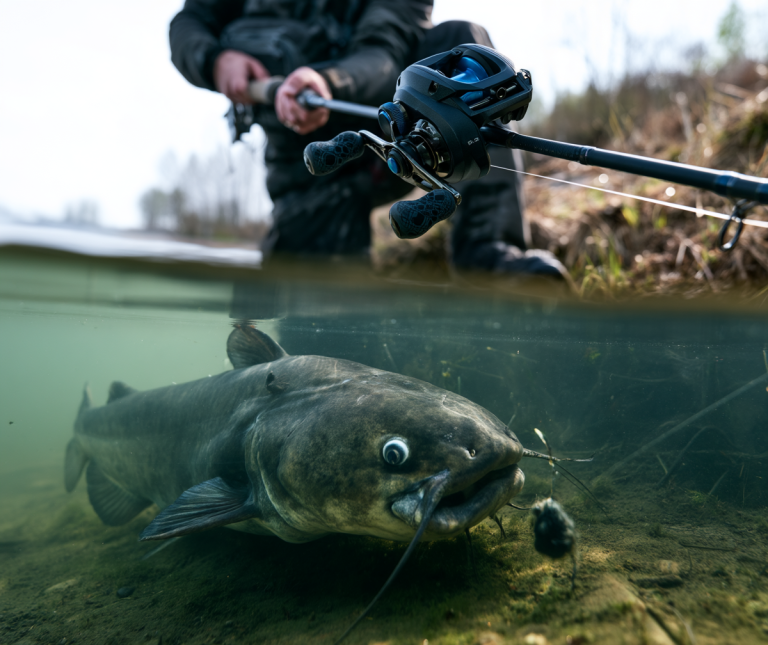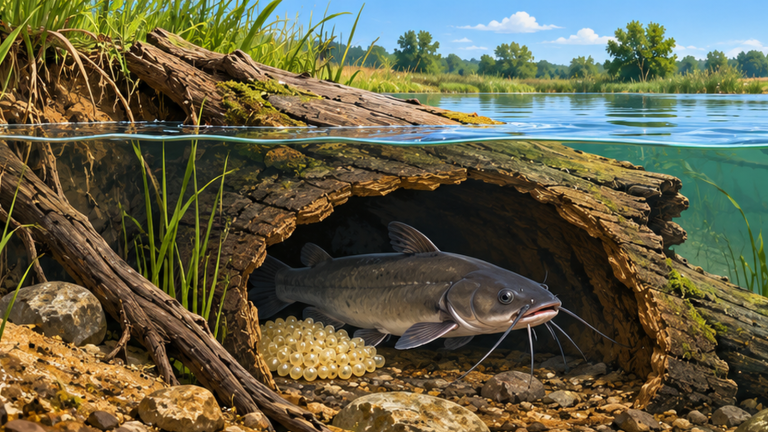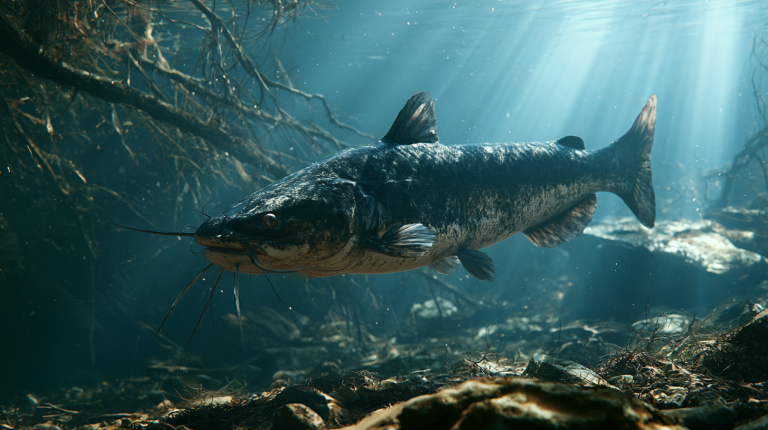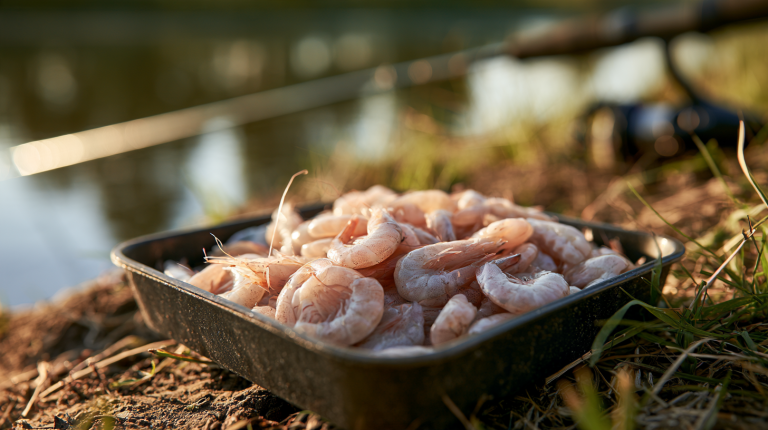
Good fishing tips for catfish should help you make a few decisions before the bait ever enters the water: which catfish you are targeting, where that fish is likely to be, what it is likely to eat, and how to present the bait effectively.
That matters because channel catfish, blue catfish and flathead catfish do not behave identically. A tactic that catches channel cats from a pond can be a poor choice for targeting a large flathead around river timber.
Fishing Tips for Catfish: Start With the Species
One of the easiest catfishing mistakes is treating every catfish as though it wants the same bait in the same water.
For many North American anglers, the main targets are channel catfish, blue catfish and flathead catfish. There is some overlap between them, but knowing which one is likely to be present immediately improves your bait and location choices.
| Catfish | Good Starting Baits | Where to Start Looking | Practical Approach |
|---|---|---|---|
| Channel catfish | Nightcrawlers, cut bait, prepared or stink bait | Ponds, lakes and rivers around cover, riprap, deeper edges and feeding areas | Simple bottom rig or suspended bait where appropriate |
| Blue catfish | Fresh cut fish and other natural forage | Large rivers and reservoirs, channel edges, current breaks and deeper water | Bottom fishing, drifting or covering productive depth changes |
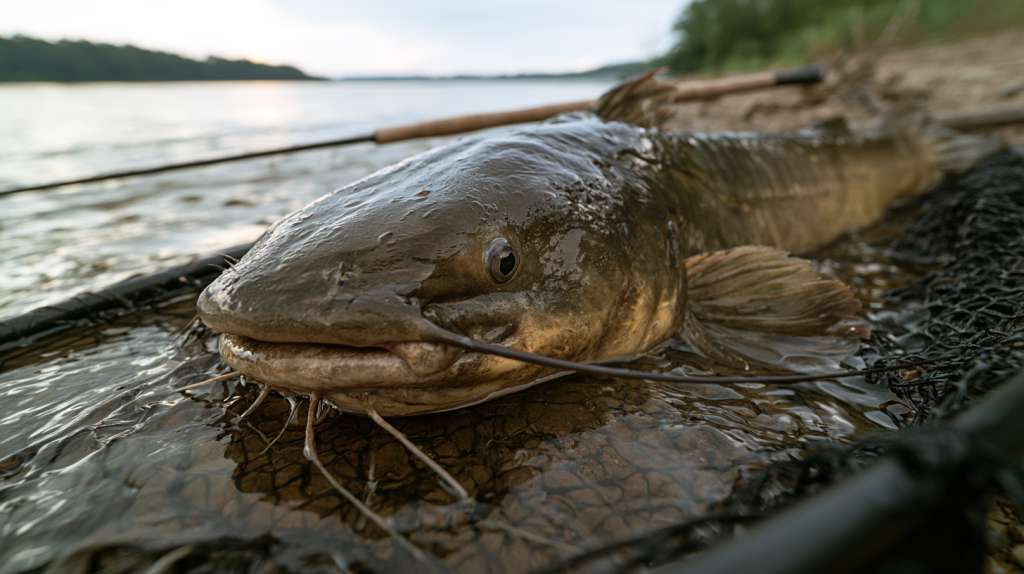
| Flathead catfish | Live fish where legal, or very fresh natural bait | Logjams, submerged timber, deep holes and heavy cover | Strong tackle with bait placed close to cover |
The table is a starting point, not a rulebook. Catfish move, feeding conditions change, and a fish does not know what an internet guide says it is supposed to do.
The useful lesson is simpler: identify the likely species before choosing your bait and spot.
Find Catfish Before You Worry About the Perfect Bait
A mediocre bait in productive water usually has a better chance than a supposedly perfect bait sitting where no catfish are feeding.
Look for places that give fish either food, cover, easier current, depth changes or some combination of those things.
In Rivers
Current creates obvious areas to investigate.
Check the slower water beside faster current, deeper outside bends, pools, submerged timber, creek mouths, wing dikes where present, and other places where catfish can hold without constantly fighting the strongest flow.
Do not automatically cast into the deepest water you can reach. A current seam or the edge of a hole can be more productive than its deepest point.
In Lakes and Reservoirs
Without obvious river current, concentrate on structure and routes fish can use to move between depths.
Useful starting areas include points, submerged creek channels, humps, standing timber, riprap, drop-offs and flats beside deeper water.
Catfish can also suspend or move well above the bottom, especially when following food. “Put bait on the bottom” is good beginner advice, but it should not become a rule that stops you from adjusting.

Match Your Catfish Bait to the Fish
Catfish have a reputation for eating anything that smells terrible.
That reputation is most useful when talking about channel catfish. It becomes increasingly misleading when applied to every catfish species.
Channel cats are adaptable feeders and can be caught on nightcrawlers, cut bait, prepared baits and many other offerings.
If you primarily fish stocked ponds, it is also worth understanding whether catfish spawn in ponds, since many channel catfish populations depend on restocking rather than consistent natural reproduction.
Prepared stink bait can be particularly useful when targeting channel catfish. If you want to use that approach specifically, the FishingChief guide to catfishing with stink bait covers the technique in much more detail.
Blue catfish are often better approached with natural forage such as fresh cut fish, particularly in waters where shad or similar baitfish make up an important part of their food supply.
Flatheads deserve even more separation from the stereotype. They are active predators, and live baitfish are a common choice where using them is legal.
Where regulations allow it, catfishing with goldfish is one specific live-bait approach for targeting blue and flathead catfish.
Whatever bait you use, keep it in good condition. “Strong smelling” and “half-rotten” are not automatically the same thing.
And always check local regulations before collecting or using live fish as bait. Rules vary substantially between waters.
Keep the Catfish Rig Simple
Catfish rigs can become surprisingly elaborate, but they do not need to be complicated to catch fish.
For general bait fishing, a sliding-sinker arrangement is a sensible place to start. The weight gets the bait into the fishing zone while the leader and hook present it beyond the sinker.
The correct sinker depends more on conditions than on the species name.
Use enough weight to control the presentation. In calm water that may mean relatively little. In strong river current, you may need substantially more weight or a sinker shape that resists rolling.
The same principle applies to leaders and main line: match them to the fish, the cover and the pressure the tackle needs to withstand.
There is little benefit in using extremely heavy tackle for modest channel cats in open water. There is equally little sense in taking light pond tackle into snag-filled water where large flatheads are the target.
Read Catfish Bites Before Reacting
A catfish bite does not always begin with the rod folding over.
Catfish can also produce surprisingly audible croaks, squeaks and grinding sounds when disturbed. If you’ve ever wondered why catfish make noise after being caught, the sound is often produced by movement of the pectoral spine rather than the fish’s mouth.
You may see small taps, a slow pull, line movement or several uncertain bites before the fish fully commits.
How you react depends heavily on the hook being used.
With a conventional J-style hook, once the fish has properly taken the bait, remove excess slack and apply a controlled hook set.
Circle hooks work differently. They are designed to move into position as steady pressure develops, so immediately striking hard can actually work against the hook.
If catfish are clearly interested but you keep missing them, do not automatically blame the location. Check the bait size, hook exposure and bite timing first.
Repeated taps and pulls without a hookup are exactly the problem covered in FishingChief’s guide to fish biting but not getting hooked, which goes deeper into hook size, bait presentation, bite timing and circle-hook technique.
Do You Need to Fish for Catfish at Night?
Night fishing can be excellent for catfish, but darkness is not a requirement.
Flathead catfish often become more active after dark, and channel cats may move into shallower feeding water during low-light periods.
Blue catfish, however, can feed actively during daylight, and channel cats are regularly caught during the day as well.
Instead of treating sunset as an on/off switch, think about what changes with the light.
Lower light can make fish more comfortable leaving cover or moving shallower. During daylight, concentrating more tightly on depth, current, cover or shade can keep you in productive water.
Fish whenever you can. Then adjust the location to the conditions rather than assuming you arrived at the wrong hour.
Change Something When Nothing Is Happening
Catfishing often involves waiting, but patience should not become stubbornness.
If you have confidence in the bait and rig but nothing is happening, change something deliberately.
Try a different depth. Move closer to cover. Fish the other side of a current seam. Recast to a different part of the structure. Replace old bait. Or relocate entirely.
Changing everything after five minutes teaches you very little.
Sitting on completely unproductive water for half a day teaches you even less.
The goal is to give a good spot enough time to produce while still being willing to search for feeding fish.
Fresh Bait and Good Placement Beat Complicated Tackle
Catfish do not require a specialized collection of expensive equipment to get started.
A rod with enough power for the expected fish, a reel with reliable drag, suitable line, a few sinkers, swivels and appropriate hooks can cover a large amount of catfishing.
What matters more is whether the equipment can do the job.
A river rig must hold position in the available current. Tackle used around timber needs enough strength to control fish near snags. A bank rod needs to cast the required distance without making every cast harder than necessary.
Do not select gear because somebody describes it as “catfish tackle.” Select it according to the fish and water in front of you.
For anglers who specifically want to use a baitcasting reel, catfishing with a baitcaster is a natural topic to cover separately rather than turning basic catfishing advice into a reel tutorial.
Common Catfishing Mistakes
Using the same bait for every catfish: Channel cats, blues and flatheads have different feeding tendencies. Start with the species rather than the bait-shop reputation.
Assuming catfish always sit on the deepest bottom: Bottom fishing works, but fish can move shallower or suspend when feeding.
Casting past productive structure: Being five metres away from the right cover or current edge can matter more than changing bait repeatedly.
Using more weight than necessary: Enough weight to control the rig is useful. Excess weight can make casting and presentation clumsy.
Ignoring the condition of the bait: Replace bait when it has washed out, become damaged or is no longer presenting properly.
Striking hard with a circle hook: Let steady pressure develop so the hook can work as intended.
Waiting forever in dead water: Catfishing rewards patience, but it also rewards finding fish.
Frequently Asked Questions
What is the easiest catfish to catch?
Channel catfish are often the easiest starting target because they are widespread, occupy many different waters and accept a broad range of baits.
What bait should a beginner use for catfish?
Nightcrawlers, fresh cut bait and prepared channel-catfish bait are simple options. Choose according to the species present rather than assuming one bait is best for every catfish.
Should catfish bait always be on the bottom?
No. Fishing on or near the bottom is an excellent starting tactic, but catfish can suspend and feed higher in the water column. Floats and other presentations can be useful when fish are shallow, suspended or feeding above snaggy bottom.
Is catfishing better at night?
Sometimes, but not universally. Low light can improve some patterns, particularly for flatheads and shallow-moving channel cats, while catfish can still feed effectively during daylight.
How long should you leave catfish bait in one spot?
There is no universal timer. Give a promising area enough time to produce, but if several well-placed casts or presentations show no signs of activity, changing depth, angle or location is often more useful than simply waiting longer.
Final Takeaway
The most useful fishing tips for catfish are less about secret bait and more about making the right decisions in order.
Start by identifying the catfish you are targeting. Find water that gives that species food, cover or a useful current/depth feature. Match the bait to the fish, use a simple rig that keeps it in position, and respond correctly when a bite develops.
If nothing happens, change the location or presentation methodically rather than searching for a magic bait.